


Shouldn't a product speak for itself?
- May 10, 2019
- 2 min read
The “if the world was perfect” answer is, yes, of course the product should speak for itself. In the food world shouldn’t products inherent qualities simply make it evident? That it tastes great is made of quality ingredients and/or those with desired traits (non GMO, Gluten Free, etc). One who creates and makes a quality product or products certainly would think so.
The reality is that often there is quite a bit more to it. Sales, marketing, and packaging being three key factors. For this blog, I’d like to point out packaging. Early in my career I learned how important packaging was to the overall value of the product and, most importantly, to the consumer.
Although from a different era (and consumer expectation/want), I worked for Oscar Mayer and we were the only processed food company that sold hot dogs in a twin pack which meant you could open half a package at a time thus, keeping it vacuum sealed, protecting the product from spoilage. We also had a resealable package for bologna, which provided some similar benefits for the consumer (no comments please on the product composition itself).
The result was the packaging created added value to the product one actually was buying.Take that premise to a whole category and consider your own opinion/impressions based simply on packaging without having taken a sip or a bite. Here’s a trial using wine packaging, consider your impressions of a wine product when you see it in:
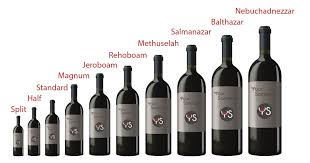
Glass Bottles: Traditional and often the preferred container due to its ability to prevent imparting flavors with wine contact as well as versatility. Glass presents a quality image as well as a wide range of different sizes. It’s recyclable, though heavy for many recreational occasions.
Plastic Bottles: Perception of quality may exist and the underlying question of whether there is much/any impact on the wine itself. Straight container cost tends to be lower. Also has been used for single serve application.
Box: Been around now for awhile, however long associated with lower quality. The reality is that better wine is being produced and sold in this format. It is often more cost effective. The box capability helps reduce the oxidation impact, however, not 100%.
Tetrapacks: Hits the target of recyclability and lighter weight, although some of the other alternatives being noted provide similar benefits. Cost effective. Works well, however, it reminds me of pouring soup.
Cans: Great for any recreational occasion whether be a picnic, hiking or virtually any outdoor activity. Once empty, lightweight and recyclable. Not sure about perceived or actual taste (i.e. drink out of a can versus pour in to a glass or plastic cup.
Kegs: A restaurant application. Not usually readily seen. It minimizes oxidation while being poured “on tap” in more and more restaurants. Helps on premise locations offer a favorable wine at a reasonable price. Not portable, however, who knows if this hits a future “at home” trend at some point.
To be fair on drinking, I’d strongly suggest trying the wine by pouring it in to your favorite glass but before doing so, what are your impressions based simply on how it is packaged. Try to think based on the type package. We’ll save the label/image discussion for a future blog


Comments